
Why I Design in Code
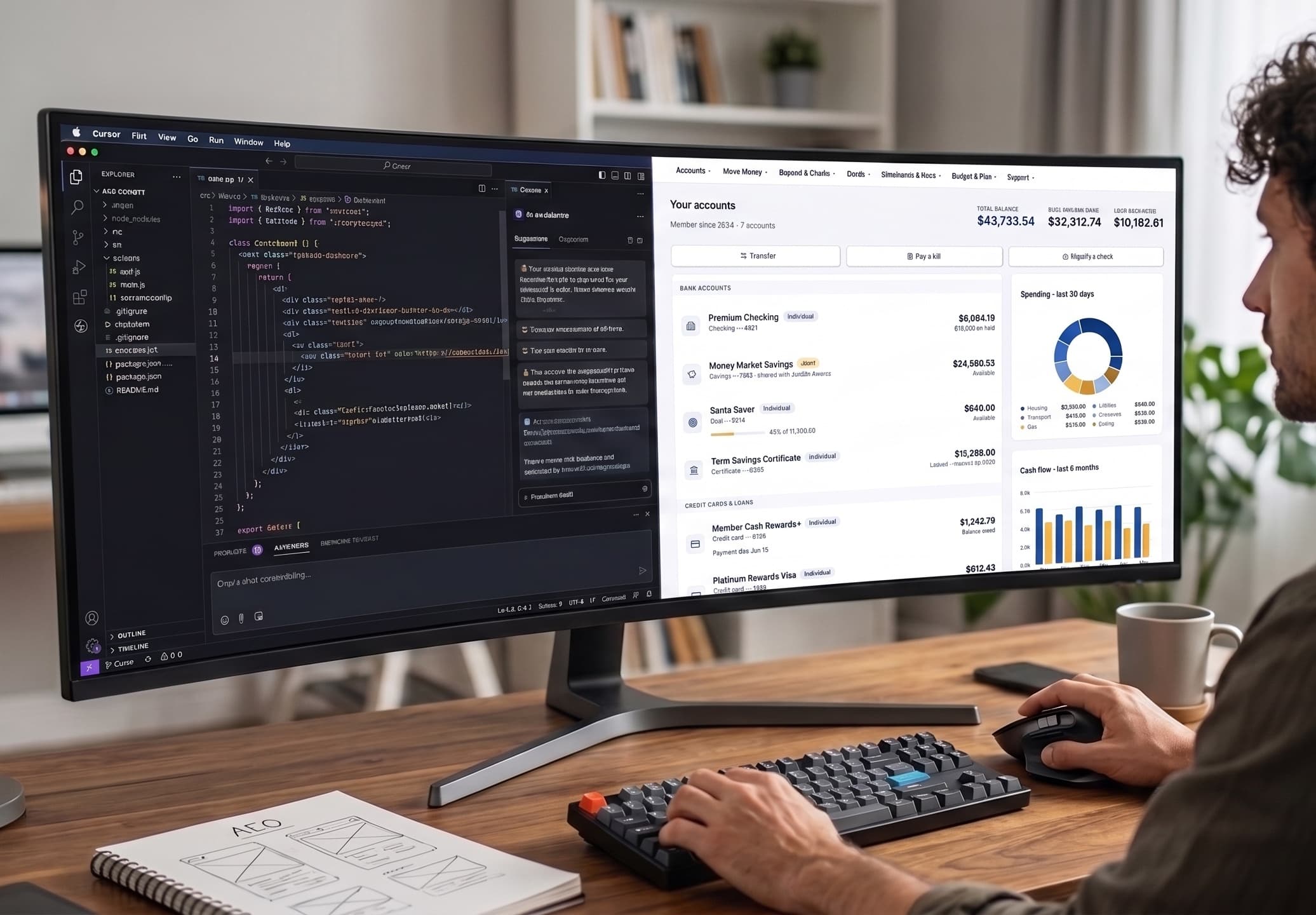
Designing in code eliminates the handoff between mockups and engineering, turning the design phase into the foundation of a production-ready app.
Beyond the AI-Native Label: What Holds Value
AI-native is the new baseline, but the assets that hold value haven't changed much: proprietary data, IP, and loyal users. Code, however, is depreciating fast.

How to Align Workforces for AI Adoption Without Triggering Shadow-AI
Shadow-AI grows when sanctioned channels are harder than personal workarounds. Six tactics for matching ease-of-use while keeping governance intact.

Crossing the Line: When a Startup MVP Triggers Cloud Compliance
Adding user profiles or sensitive features to an MVP can trigger HIPAA, GLBA, FERPA, or COPPA oversight, reshaping cloud architecture requirements before launch.
Read more
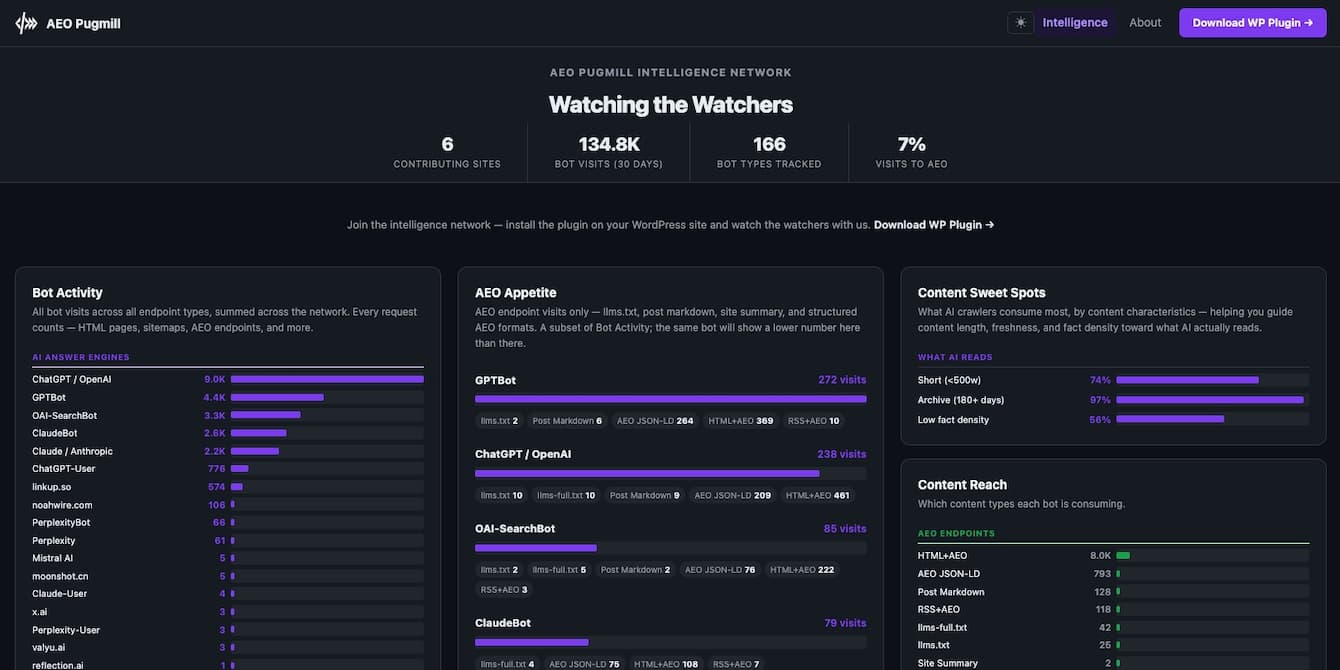
AEO Pugmill: A 3-Prong Startup
A three part startup that provides advanced AI-native publishing features, answer engine optimization, and builds a unique dataset.
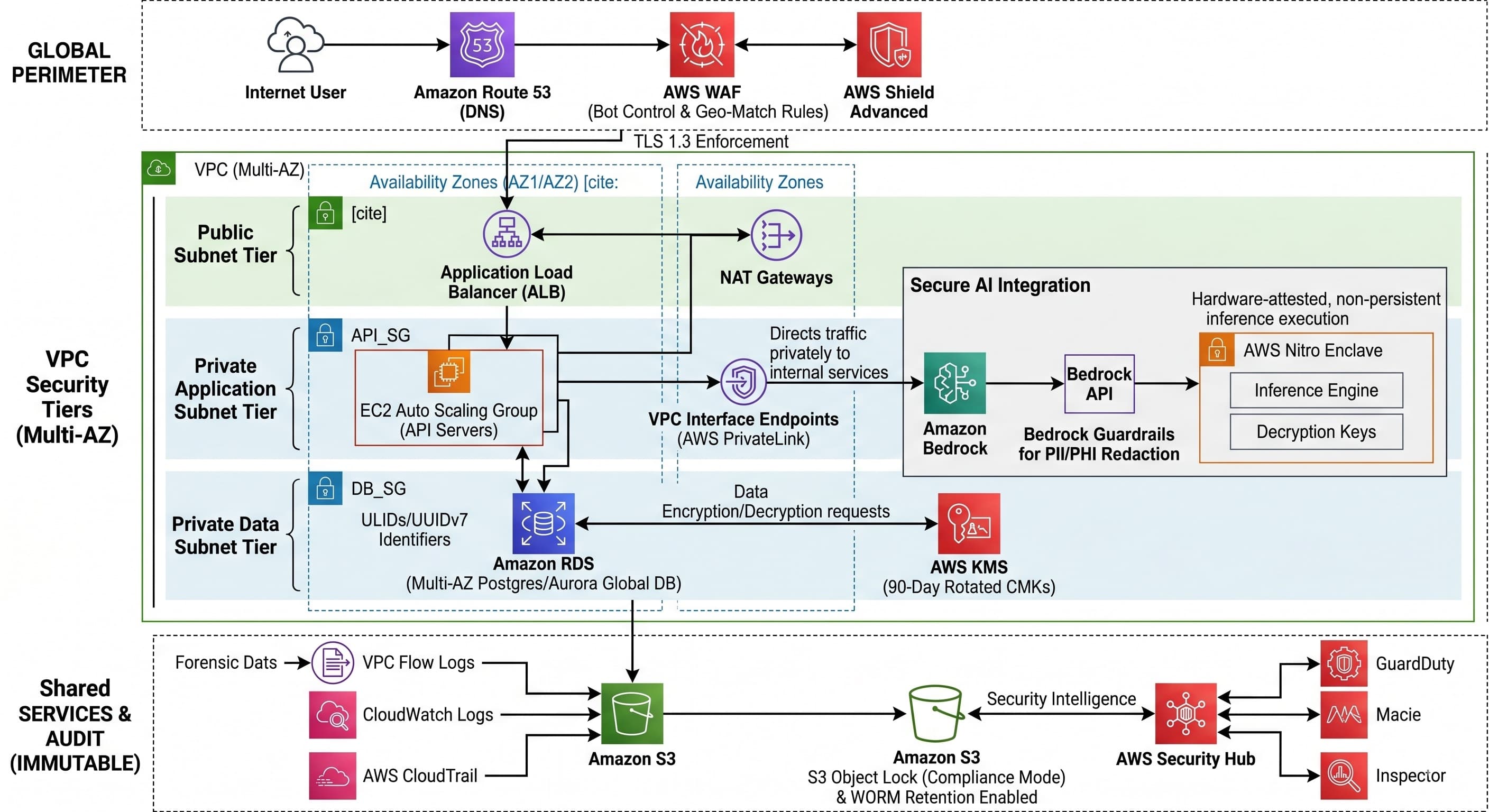
Developers' Guide: Configuring AWS Infrastructure for Regulated Data Workloads
Mapping HIPAA and GLBA requirements to AWS services, from WAF perimeters and VPC segmentation to KMS rotation, Bedrock Guardrails, and S3 Object Lock audit trails.
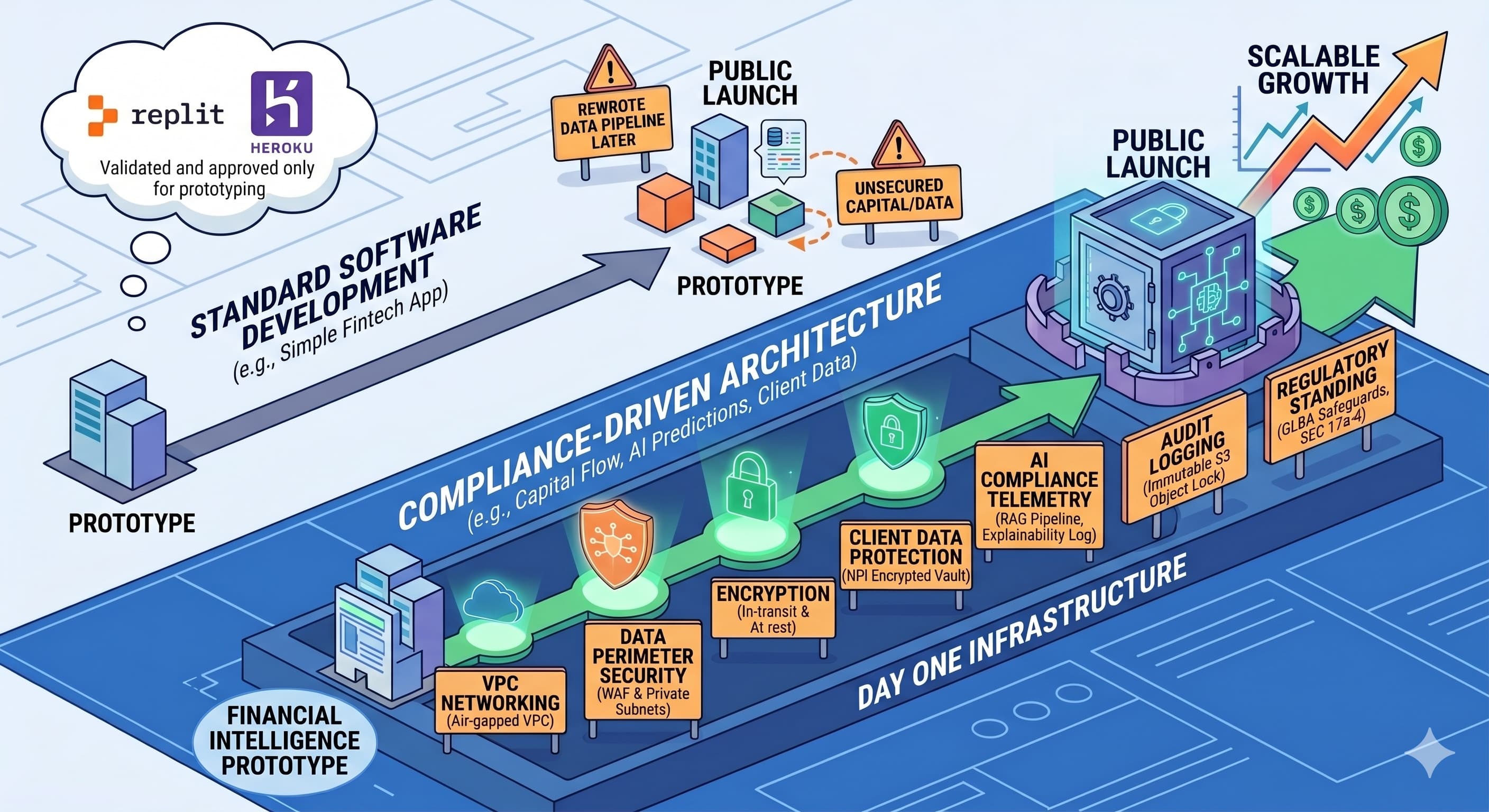
Startup Founders' Guide: Guidelines for GLBA-Compliant AI Cloud Architecture in Financial Services
Building AI-driven FinTech requires GLBA-compliant architecture from day one. Here's how to structure cloud infrastructure that satisfies SEC oversight without rewriting later.
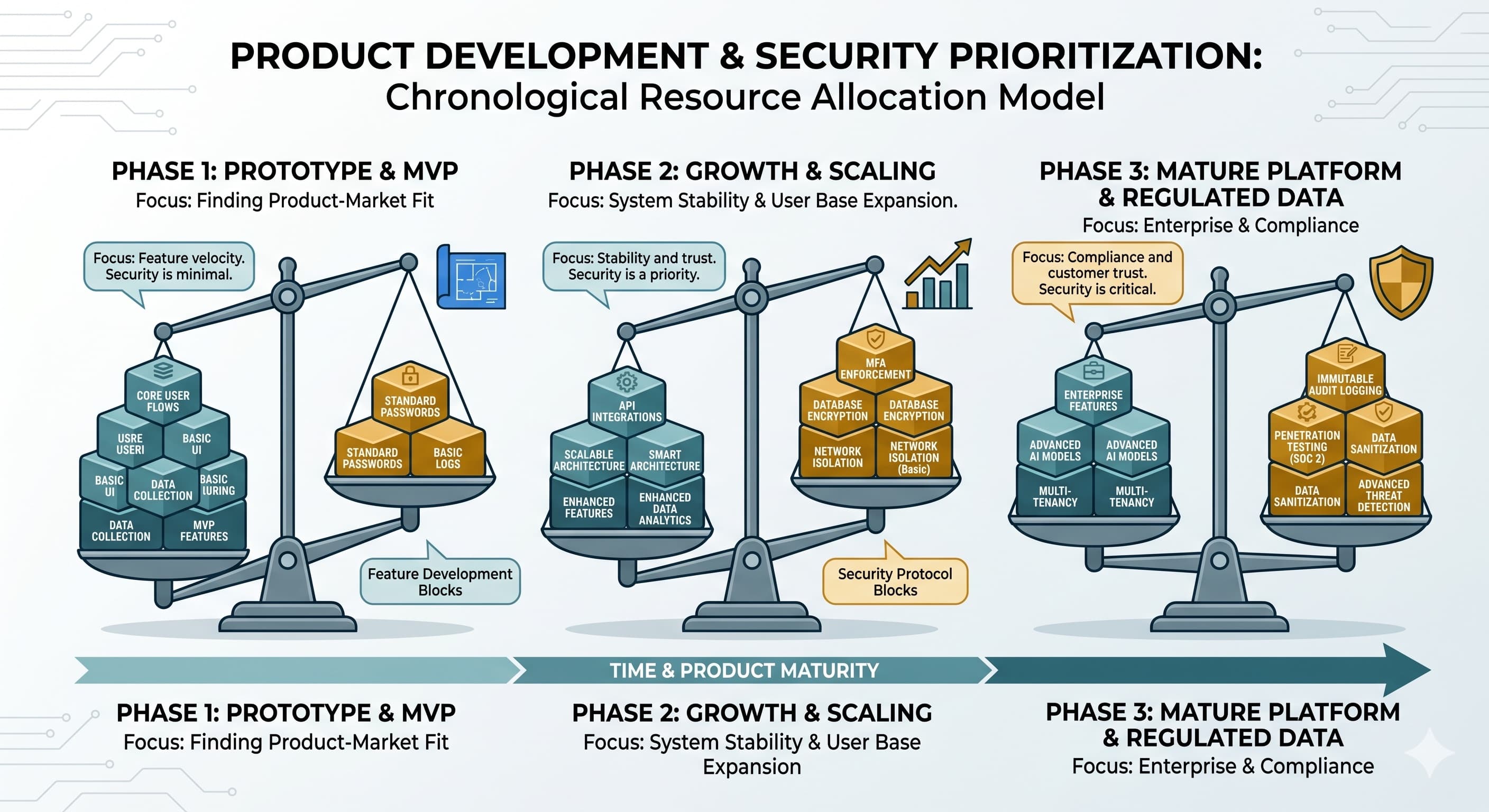
Balancing Product Development and Security Protocols
Allocating engineering hours between features and security depends on what data the system handles. Mapping defenses to project milestones aligns spending with actual threats.
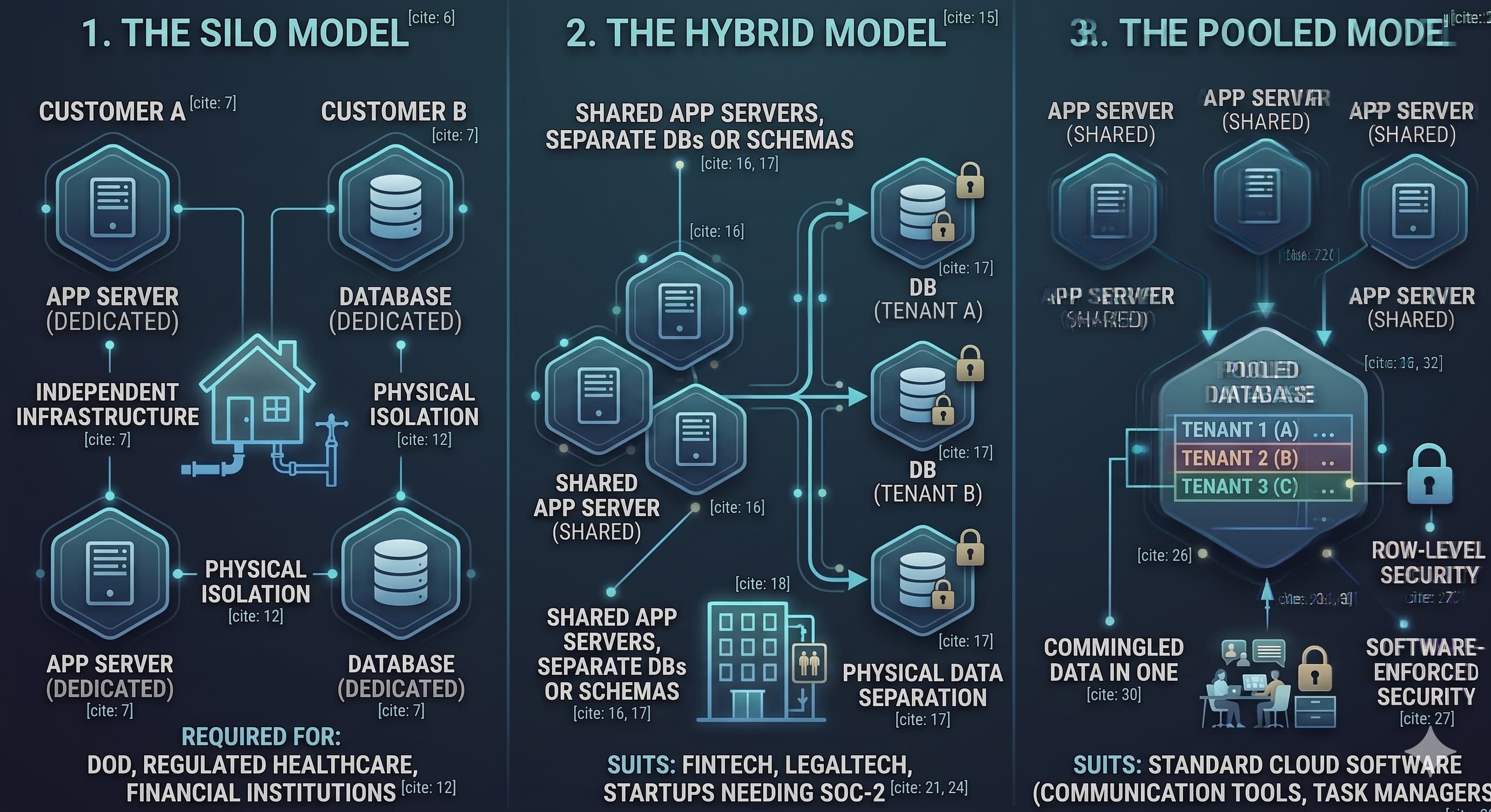
Selecting a Multi-tenancy Model for Startups
Multi-tenancy decisions shape margins, engineering velocity, and audit outcomes. Comparing silo, hybrid, and pooled models to match architecture with customer requirements.
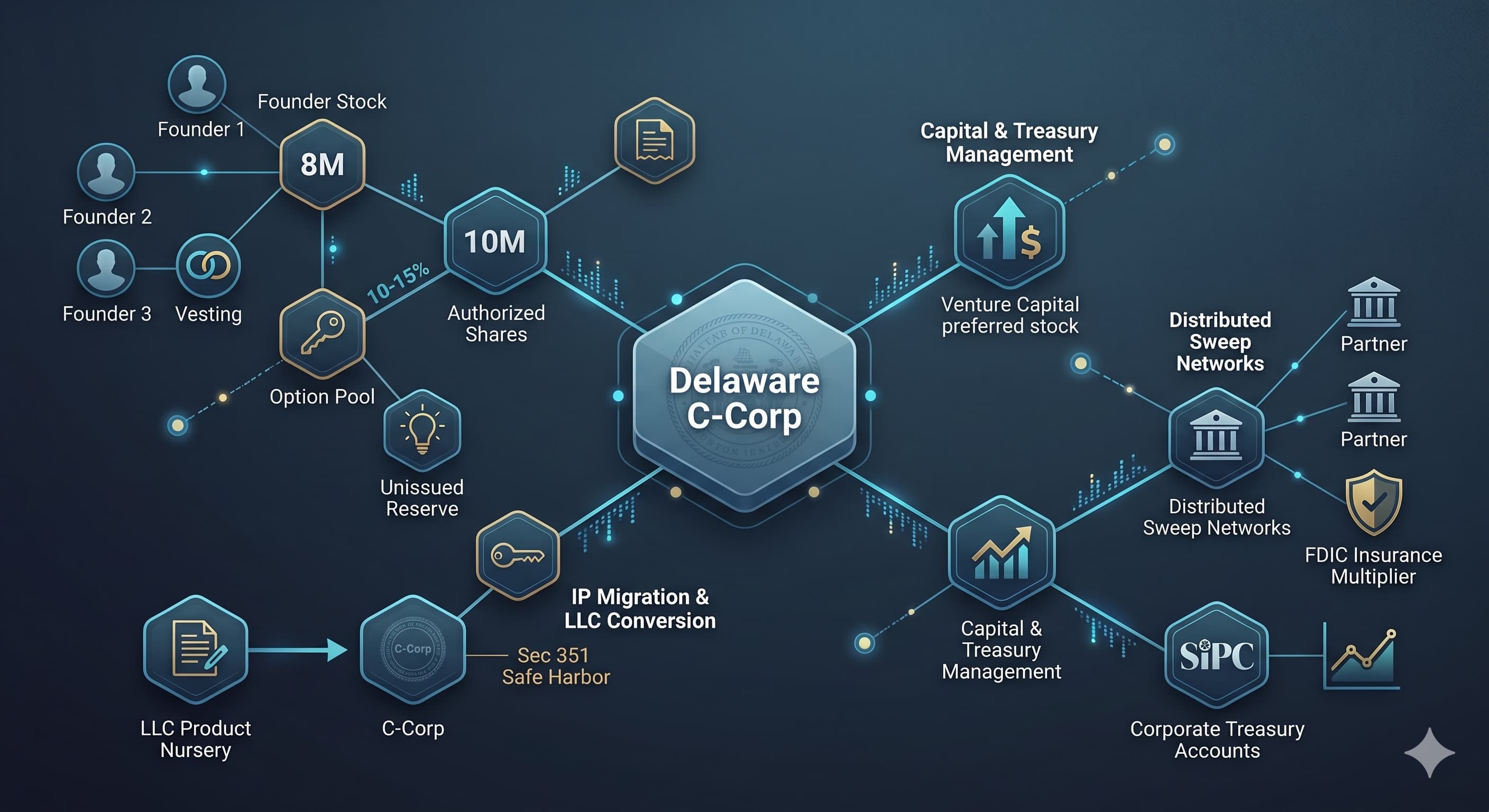
Establishing a Venture-Backed Startup
A roadmap covering Delaware incorporation, 83(b) elections, Section 351 IP transfers, 409A valuations, and franchise tax optimization for founders preparing for VC investment.
The Extinction (or Transformation) of Web Design & Development
Artificial intelligence is dissolving routine web development tasks, driving significant market friction as clients adopt automated agents for product creation. Adapting to this shift requires professionals to move beyond legacy gatekeeping tactics and transform into polymorphic, AI-symbiotic practitioners focused on higher-value human strategy.

Startup Founders' Guide: HIPAA-Compliant Cloud Applications
Building a digital healthcare product requires a distinct shift from standard software development to "compliance-driven architecture." This guide breaks down the technical complexities of HIPAA compliance into plain English and explains how to design a secure, scalable cloud foundation on AWS or GCP.
Vibe Coding is Not Product Development
The idea is intoxicating: you sit back, converse with an AI, describe what you want in plain English, and watch the application write itself. But if you are looking to build a resilient, scalable business, there's a fundamental truth: vibe coding is not product development.

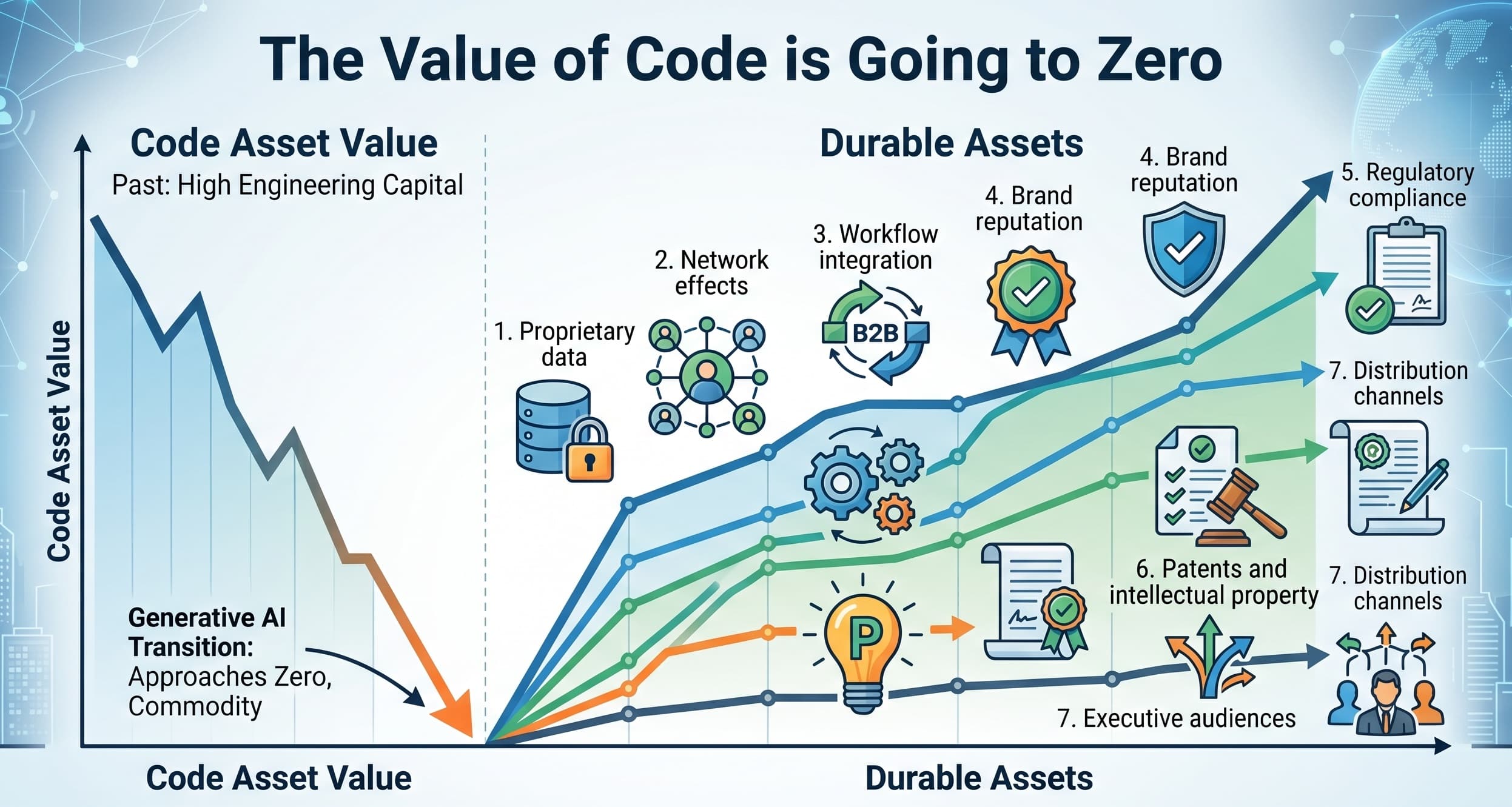
The Value of Code is Going to Zero
As AI drives the marginal cost of code toward zero, software stops being the asset. Value shifts to data, distribution, compliance, and the seven moats AI cannot replicate.
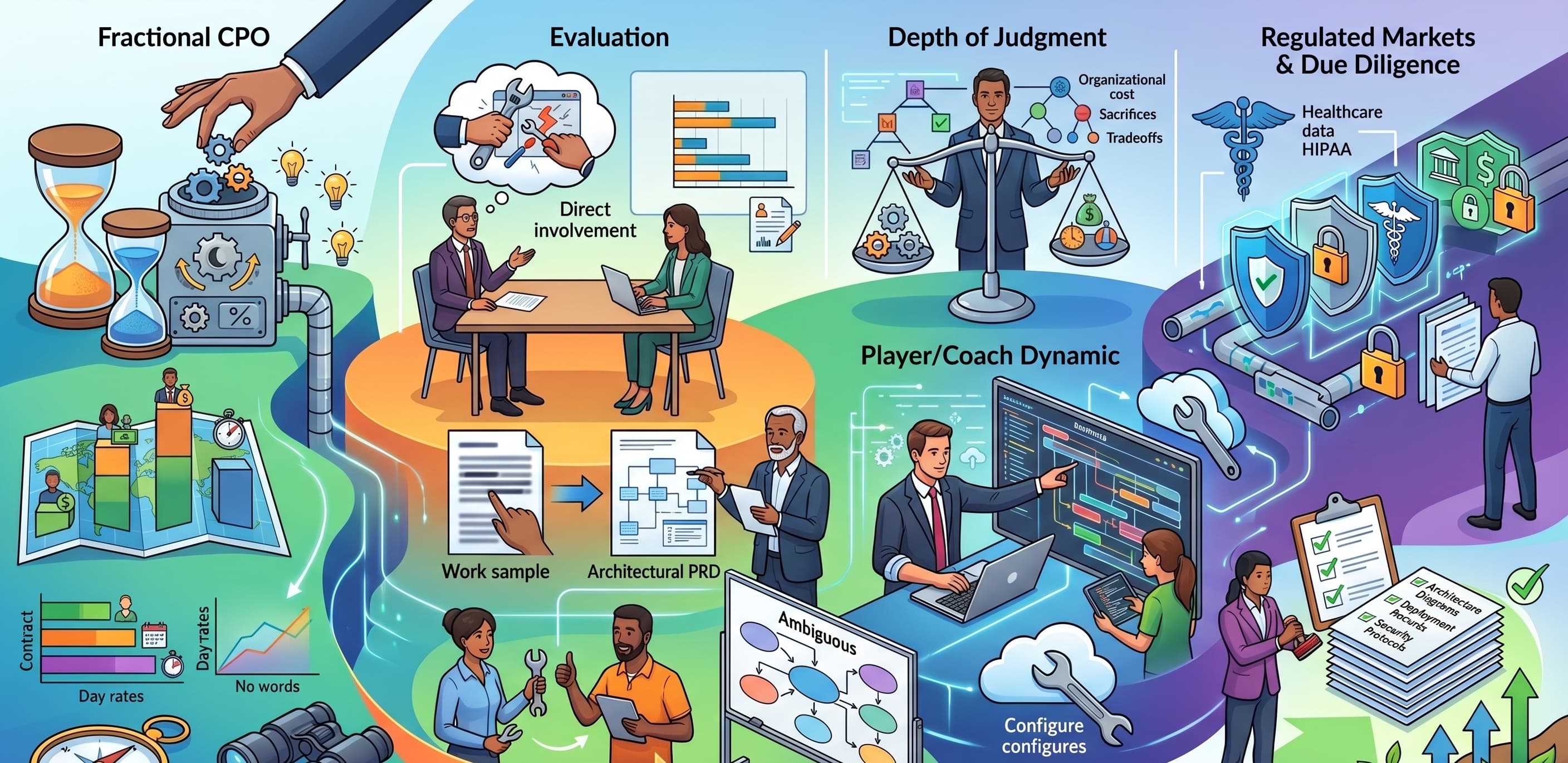
How to Evaluate a Fractional CPO or CTO
Hiring a fractional CPO or CTO requires more than a strong resume. These indicators separate strategic depth from surface-level expertise.
About Pugmill CMS
A lightweight, open-source CMS built on Next.js for developers who want modern flexibility without the bloat.

The Pugmill Trifecta
Discover how Pugmill CMS, its WordPress AEO plugin, and analytics network streamline content processing and AI crawler optimization.